
As we approach Youth Week (May 1st–7th), TC CAT is shifting the focus to our younger community members. The toxic drug crisis isn’t just a “grown-up” problem; it is actively shaping the lives, grief, and futures of youth across the Tri-Cities and B.C.
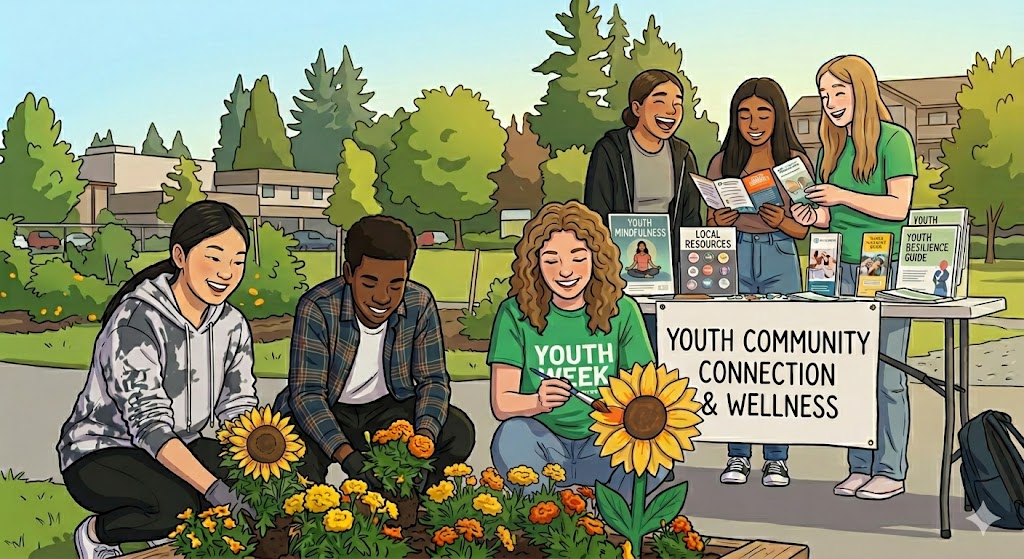
Top 3 Articles: The Impact on Youth
- Ten Years In: RCY Urges Focus on Young People: B.C.’s Representative for Children and Youth warns that young people are being “shattered” by the crisis in ways that often go unrecognized. Beyond tragic deaths, many survive with brain injuries from non-fatal poisonings or face exploitation.
- Nearly Half of Maternal Deaths Linked to Overdose: This report highlights a “deadly gap” in support for new parents, leaving a staggering number of children to grow up without a mother.
- Discussing Better Support for People Healing from Addictions: An exploration of moving beyond survival toward true healing, emphasizing the need for judgment-free spaces where youth feel safe to share their family’s struggles.
The Impact by the Numbers
Recent data paints a sobering picture of how the crisis continues to target the vulnerable:
- Rising Youth Fatalities: While overall drug-related deaths in B.C. decreased by 21% in 2025, youth deaths (aged 18 and under) saw a tragic increase, rising from 21 in 2024 to 26 in 2025.
- Leading Cause of Death: Unregulated drug toxicity remains the leading cause of unnatural death for children and youth in B.C.
- A Staggering 10-Year Toll: Since the public health emergency was declared a decade ago, 232 young people (aged 0–18) have lost their lives to toxic drugs in B.C.
- Systemic Gaps: Approximately 66% of these youth were in government care or receiving services at the time of their death, and 67% were living with a mental health condition.
- Family Loss: We are seeing a “generation of loss.” A staggering number of children are becoming orphans due to the death of a parent, or are losing siblings to the crisis.
Source: B.C. Coroners Service, 2025-2026 Preliminary Reports.
Source: B.C. Coroners Service & Office of the Representative for Children and Youth (RCY).
Protective Factors: Community & Connection
While the data is heavy, we know that “connectedness” is one of the strongest protective factors against the harms of the crisis. Protective factors are the conditions in individuals, families, or communities that help them deal more effectively with stressful events.
- Meaningful Relationships: Feeling a sense of belonging at school or within a community group reduces the likelihood that youth will use substances to cope with isolation.
- Low-Barrier Support: Access to health-centred resources, such as The Foundry, provides a safety net that treats substance use as a health journey rather than a crime.
- Active Engagement: Involvement in community service or creative projects gives youth a sense of agency and purpose.
- Open Conversations: Talk with youth honestly and factually about the toxic drug crisis without using scare tactics or lectures.
- Listen Without Judgment: Listen to understand a young person’s struggles, showing empathy even when you disagree.
- Promote “Connectedness”: Encourage youth to get involved in hobbies or community work (like the student volunteers at Dr. Charles Best) to build meaningful ties.
- Access to Low-Barrier Care: Ensure youth know where to find youth-friendly mental health and substance use services, such as Foundry BC or Fraser Health Youth Services.
Community Shout-Out: Dr. Charles Best Secondary students and staff at Dr. Charles Best are a perfect example of these protective factors in action. By leading with compassion, they strengthen our community’s “connectedness”:
- Behind the Scenes: Students cook meals multiple times a week at the school, which local outreach teams then take directly to unhoused individuals at the 3030 shelter and the surrounding neighbourhood.
- Youth Advocacy: They have hosted multiple resource fairs and clothing drives to bring life-saving supplies and information directly to their peers.
- A Place to Remember: Students have already started planting and are currently looking into creating wooden flowers for the residents of 3030 Gordon (RainCity) to paint for a memorial garden honouring those lost.
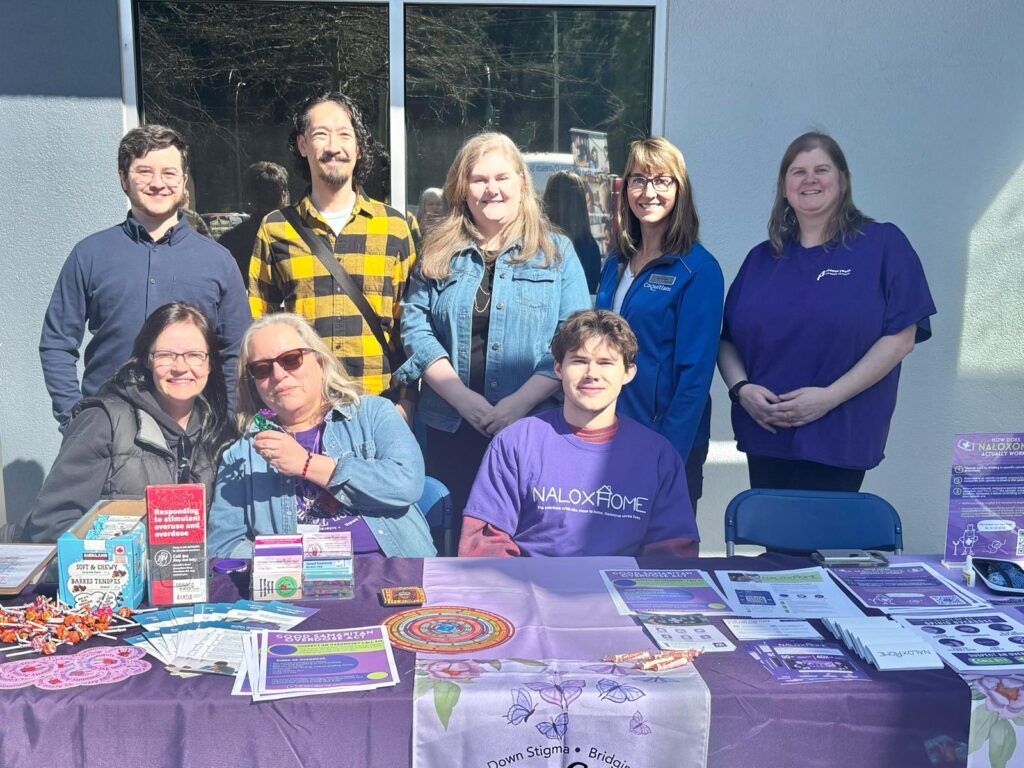
Photographed:
Top: CAI – Peter Hoong, MLA – Jennifer Blatherwick, City of Coquitlam – Terri Towner, Access Youth – Alison Truelove.
Bottom: TC Cat Members – Mari, Tina, and Naloxhome Volunteer
Beyond Grief: Resources for Youth
Support is available for mental health, safety, and empowerment:
- The Foundry (Tri-Cities): Drop-in counselling, peer support, and inclusive healthcare for youth aged 12–24.
- Crossroads Hospice Society: Specialized support for youth grieving a friend or family member.
- Kelty Mental Health: Tools for parents and youth to have honest conversations about substance use and trauma.
- Immediate Help: Call/Text 9-8-8 (Suicide Crisis Helpline) or text CONNECT to 686868 (Kids Help Phone).
Get Involved: Youth Week 2026 Events
Celebrate Youth Week by connecting with others at these local events:
- Coquitlam: Youth Week 2026 Guide — Kickoff parties at Maillardville (May 1, 4-6 PM) and Pinetree Community Centres (May 1, 5-9 PM), plus a 3-on-3 basketball tournament on May 2.
- Port Coquitlam: Activity Guide — Opening celebrations at Hyde Creek and PCCC on May 1 (3-4:30 PM), plus a Youth Week Carnival on May 2.
- Port Moody: Information here – Join the fun at the Rec Complex! Highlights include a 3v3 basketball tourney and BBQ, sundae bar, movie and pizza nights, and free drop-in gym sessions on select days.
— From the TC CAT Team