Healing, Educating, and Connecting: A Recap of Tri-Cities IOAD 2026
On August 31, our community gathered in Coquitlam to mark International Overdose Awareness Day (IOAD)—a globally recognized movement led by overdoseday.com to remember those we have lost to the toxic drug crisis, support grieving families, reduce stigma, and champion full-spectrum substance use care.
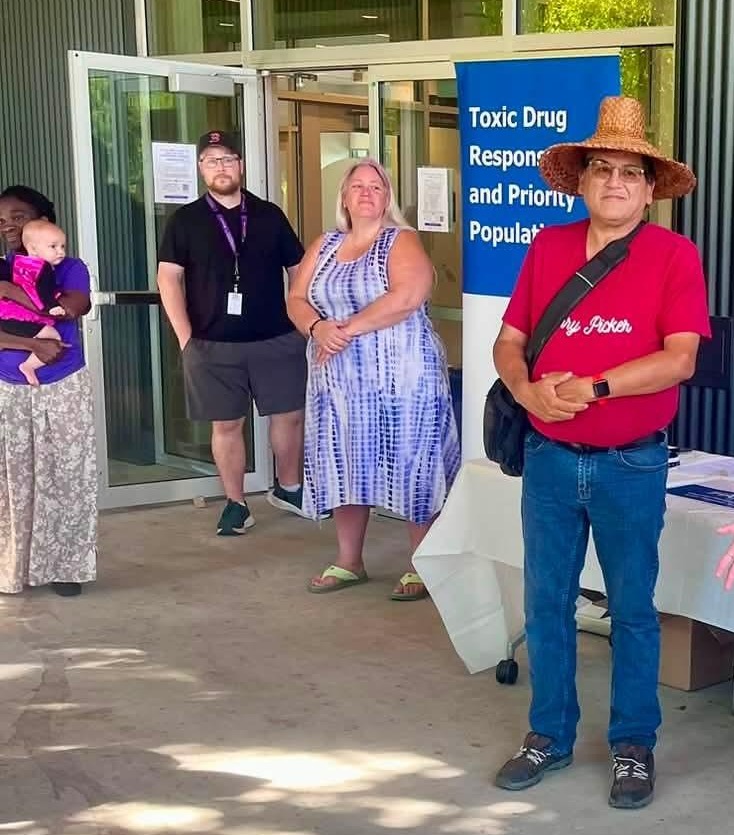
The day began in a deeply meaningful way with an opening and territorial welcome from K\ʷik\ʷəƛ̓əm (Kwikwetlem) First Nation Elder Stephen Armstrong, grounding the gathering in respect, healing, and cultural connection.
A Sanctuary for Holistic Healing, Reflection, and Art
Throughout the event, attendees engaged with experiential, trauma-informed wellness spaces and memorial activities designed to make room for release, grief, and grounded connection:
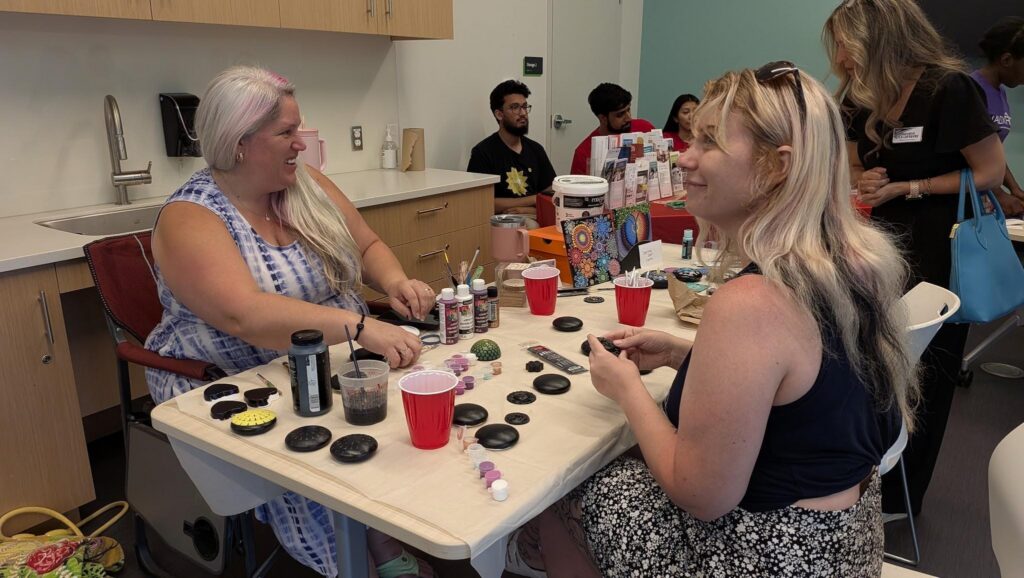
- Therapeutic Art & Storytelling: A heartfelt thank you to Denise (Denise Dot Calm) for facilitating the rock-dotting workshop. Denise provided far more than an art table—her warmth, patience, and attentive listening created an intimate sanctuary where participants could sit together, work with tactile art, process complex emotions, and feel truly heard.
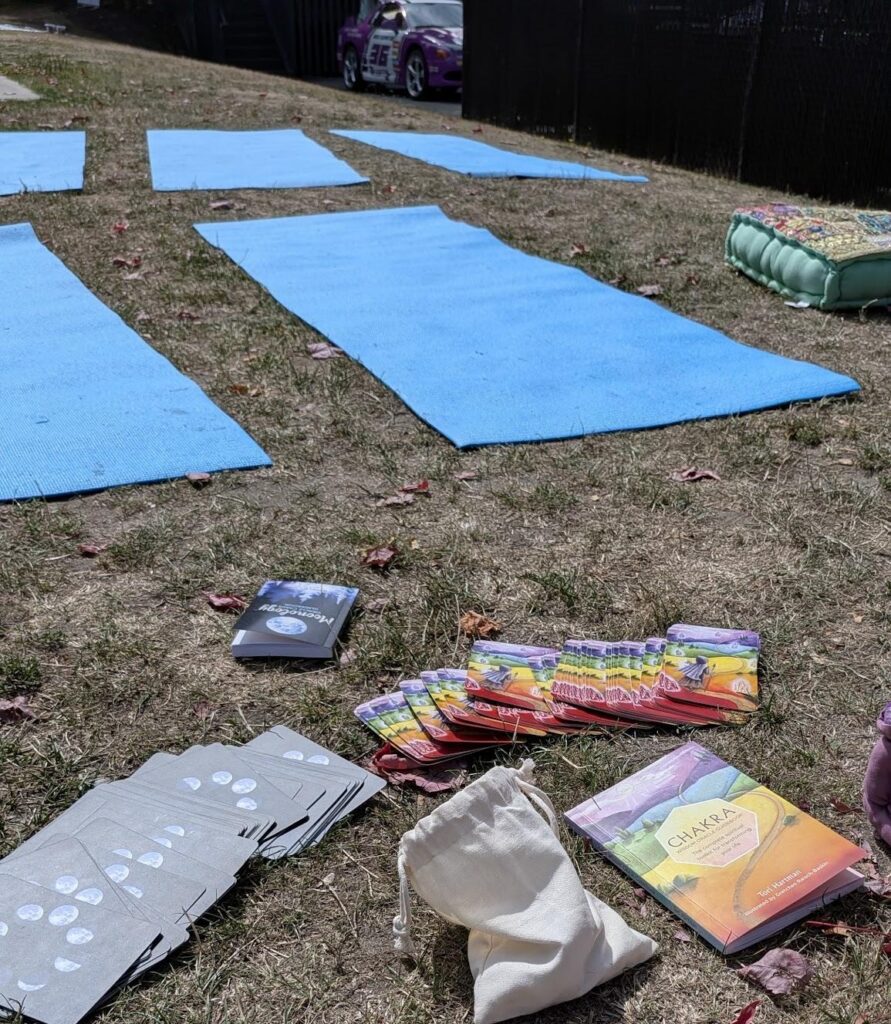
- Mindful Movement, Energy & Intuitive Guidance: Deep appreciation to Bee the Yogi, whose gentle soul held space for a true journey of release. Beyond yoga nidra, attendees were invited to lie in the warm sunshine, rest, and engage with crystals, tarot, and oracle readings for reflection and spiritual grounding.
- Connection with Nature: Gratitude to the Wonderous Tree Fellowship for offering nature-based grounding and fostering an appreciation for trees, bringing an organic, holistic dimension of healing to the day.
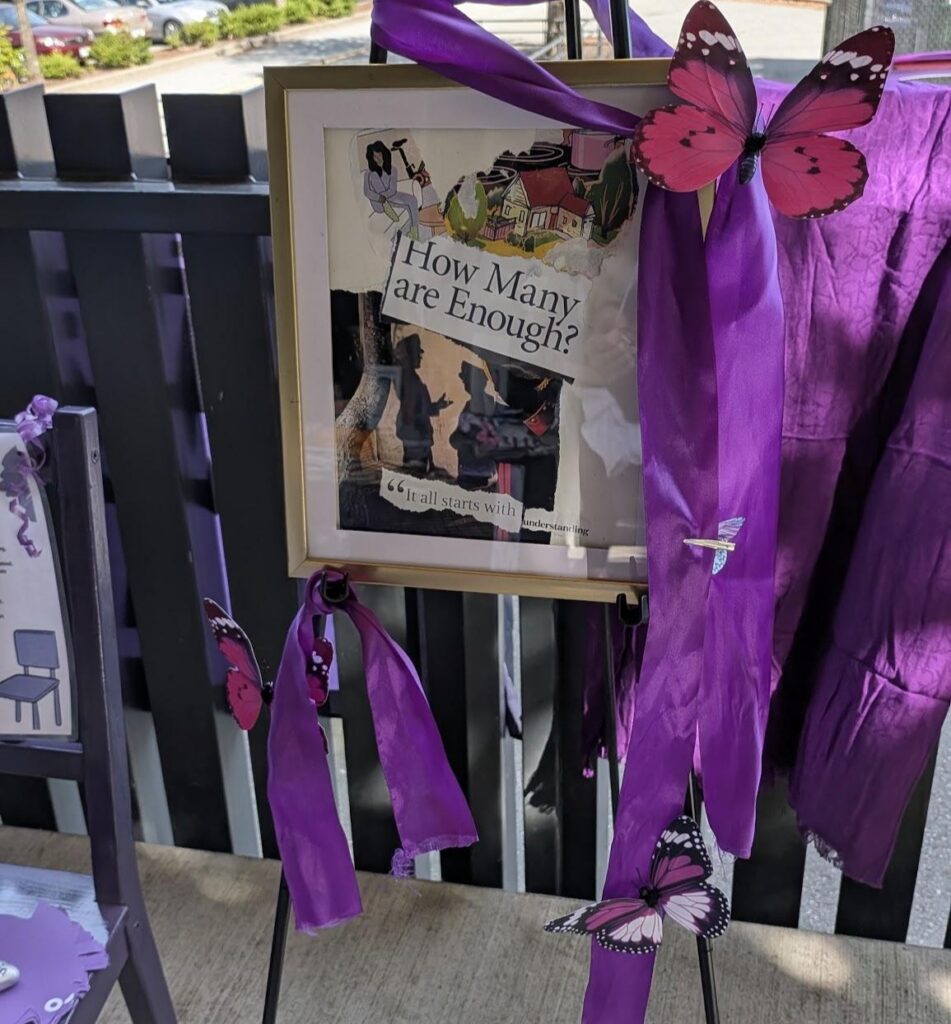
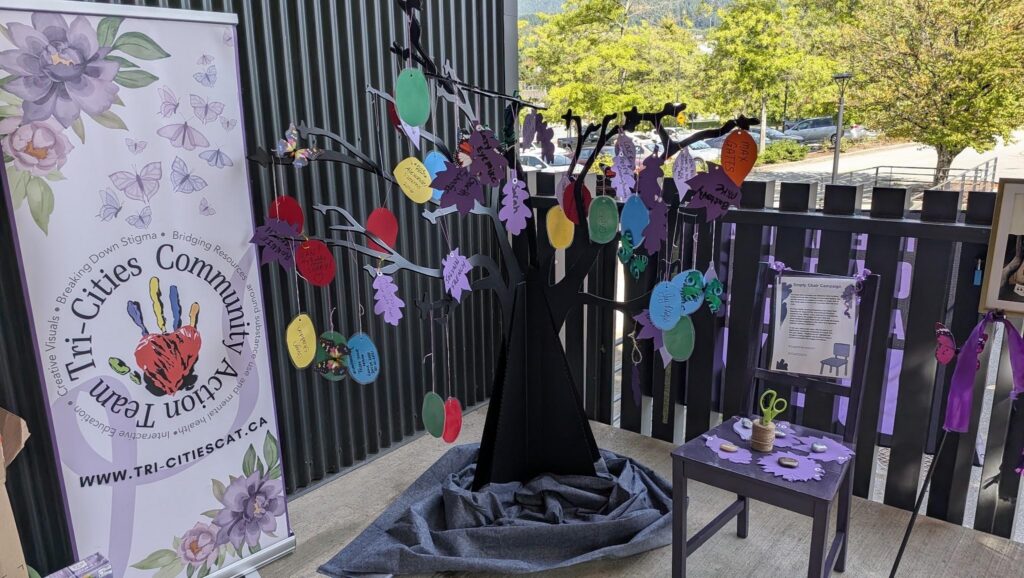
- Collective Memorials: Community members gathered around our memorial tree and collaborative canvas painting station to write names, share memories, and honor lost loved ones.
Bridging the Full Spectrum of Substance Use Care & Community Advocacy
Addressing the toxic drug crisis takes a collaborative, multi-faceted approach that honors diverse paths to wellness. We were honored to host organizations and advocates representing prevention, frontline harm reduction, treatment, Indigenous wellness, and community advocacy:
- Indigenous Leadership & Family Supports: K\ʷik\ʷəƛ̓əm First Nation and Spirit of the Children Society, providing culturally grounded care, leadership, and community connection.
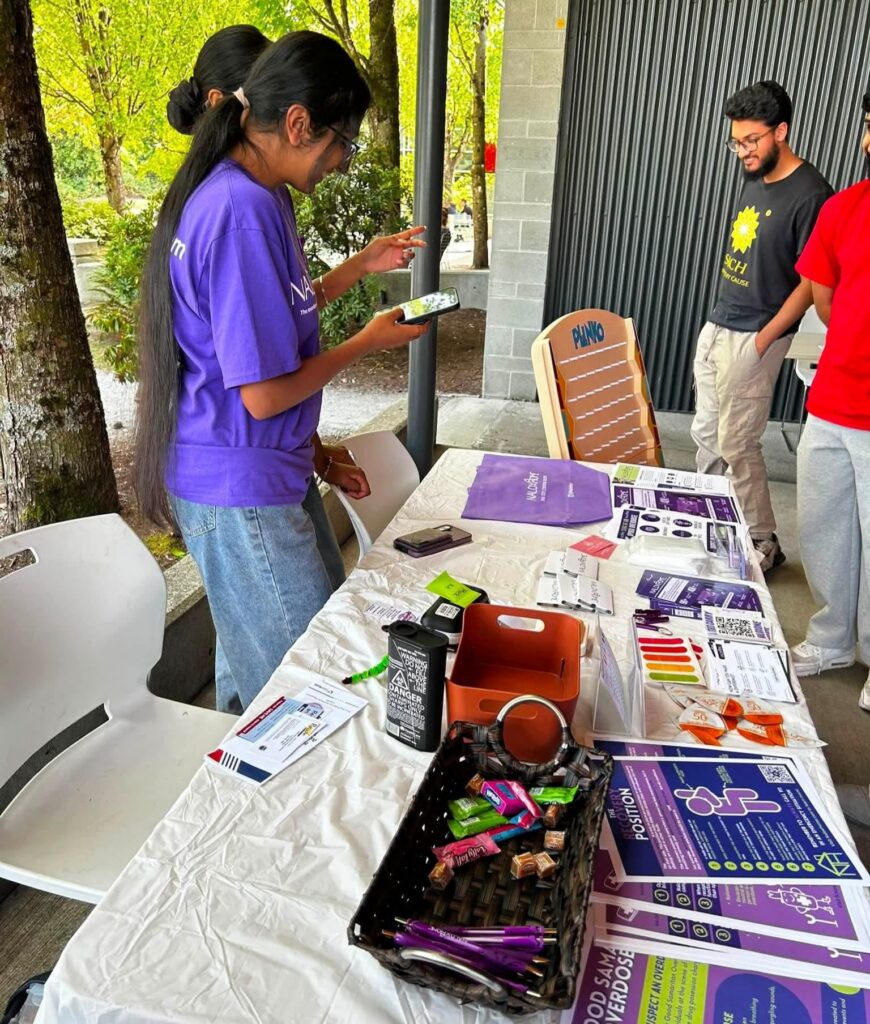
- Prevention & Youth Education: Naloxhome and Access Youth Services.
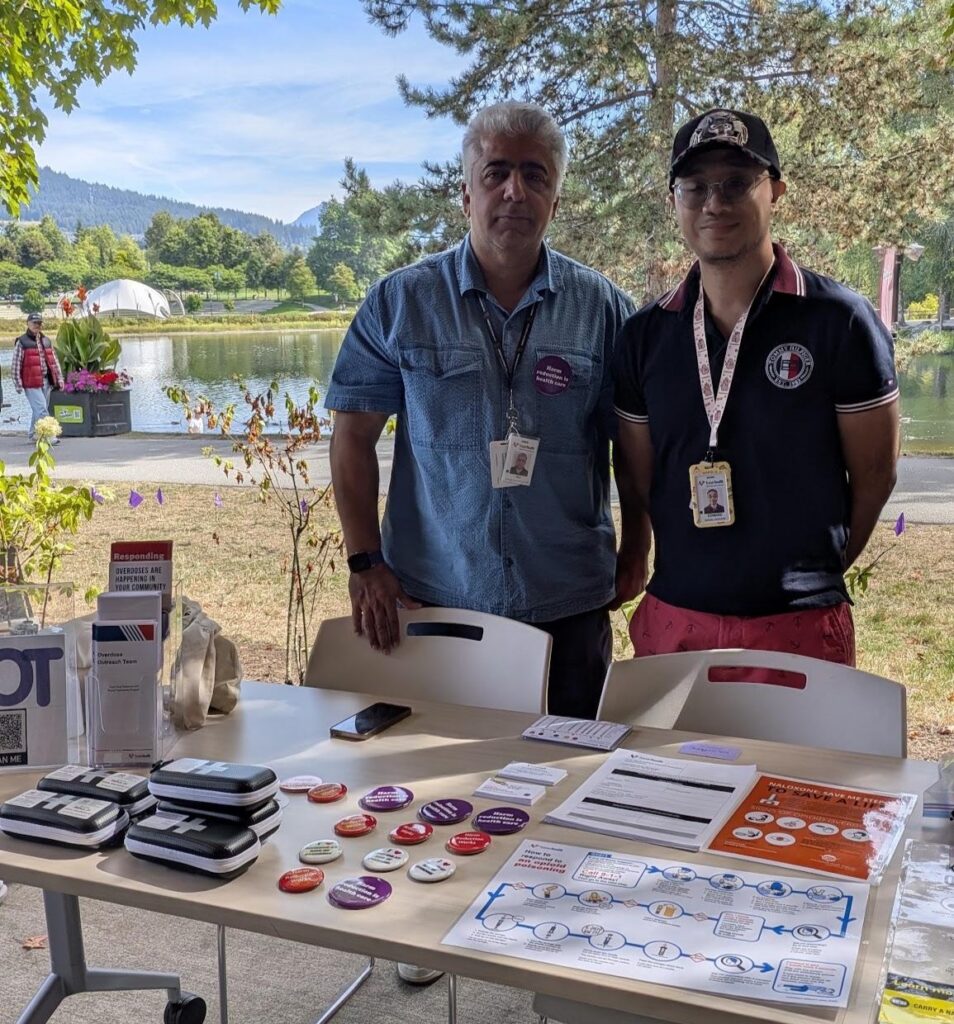
- Frontline Harm Reduction & Outreach: Fraser Health Overdose Outreach Team (OOT) and iHART, offering barrier-free Naloxone training and distributing life-saving kits on-site.
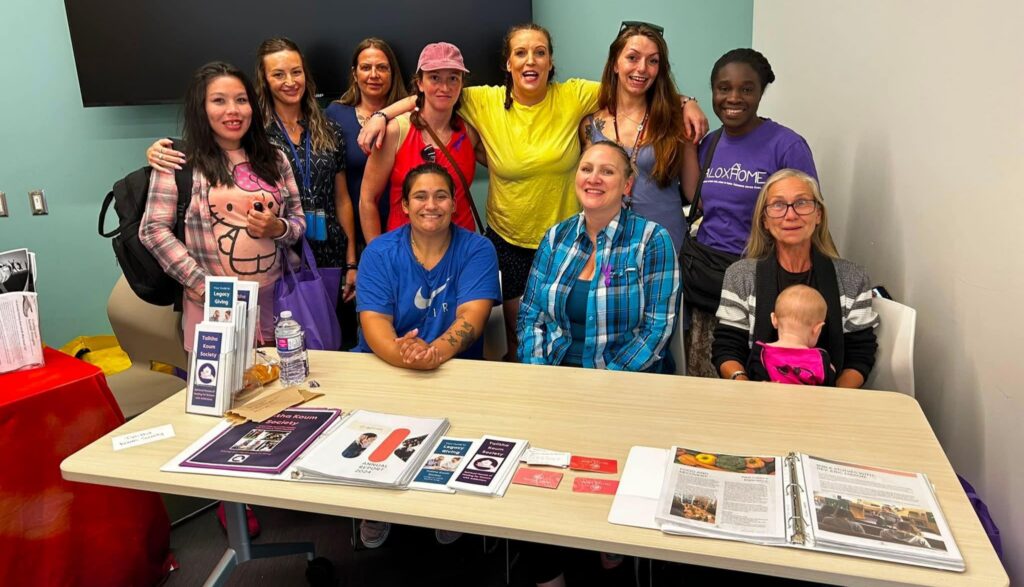
- Treatment, Recovery & Supportive Housing: Talitha Koum Society, offering powerful visibility and shared strength around the recovery journey.
- Grassroots Advocacy & Wraparound Supports: Moving Forward, ASTRA, Artivity Finder, and Curtis’ Dream Car (represented by Trevor), which transforms personal loss into impactful advocacy—educating the public in honor of Curtis’ passing to fight stigma and drive change.
Beyond the Substances: Understanding the ‘Why’ & Taking Action
International Overdose Awareness Day is about remembrance, but it is also an urgent call to action. To meaningfully combat the toxic drug crisis, we must look beyond the substances themselves and address the root reasons why people use—unresolved trauma, physical or emotional pain, mental health struggles, isolation, and systemic disconnect. Holistic healing means treating the whole human being with empathy, dignity, and wraparound care.
Here is how each of us can take action in our daily lives:
- Check In on Your Loved Ones: Connection is prevention. Reach out genuinely to friends, family, and colleagues. Create non-judgmental spaces where people feel safe enough to admit they are struggling before a crisis occurs.
- Provide Raw, Honest Education: Move away from fear-based messaging and provide real, evidence-based education about unregulated drug toxicity, mental health, and the full spectrum of support available.
- Dismantle Stigma in Everyday Conversations: The language we use matters. Calling substance use what it is—a health and human issue—removes shame, encourages individuals to seek help, and saves lives.
- Utilize Harm Reduction & Drug Checking: Normalize carrying Naloxone, knowing the signs of drug poisoning, never using alone, and using local drug-checking services to identify toxic contaminants.
- Support Holistic Healing Pathways: Recognize that healing is not one-size-fits-all. Comprehensive support includes mental health care, cultural connection, stable housing, creative expression, somatic practices, and community belonging.
Deep Gratitude to the Coquitlam Foundation
A massive thank you goes to the Coquitlam Foundation for awarding our Community Action Team grant funding for two consecutive years.
Your continuous belief in grassroots initiatives makes gatherings like this possible. It allows us to provide barrier-free wellness workshops, supply memorial art materials, distribute harm reduction resources, and create a safe environment where community members can connect without shame or judgment. We also extend our appreciation to Coquitlam Foundation Chair Matthew Sebastiani for joining us on-site to connect with our organizers and partners.
A Sweet & Meaningful Reminder: Thank You Cassandra Cake Co.
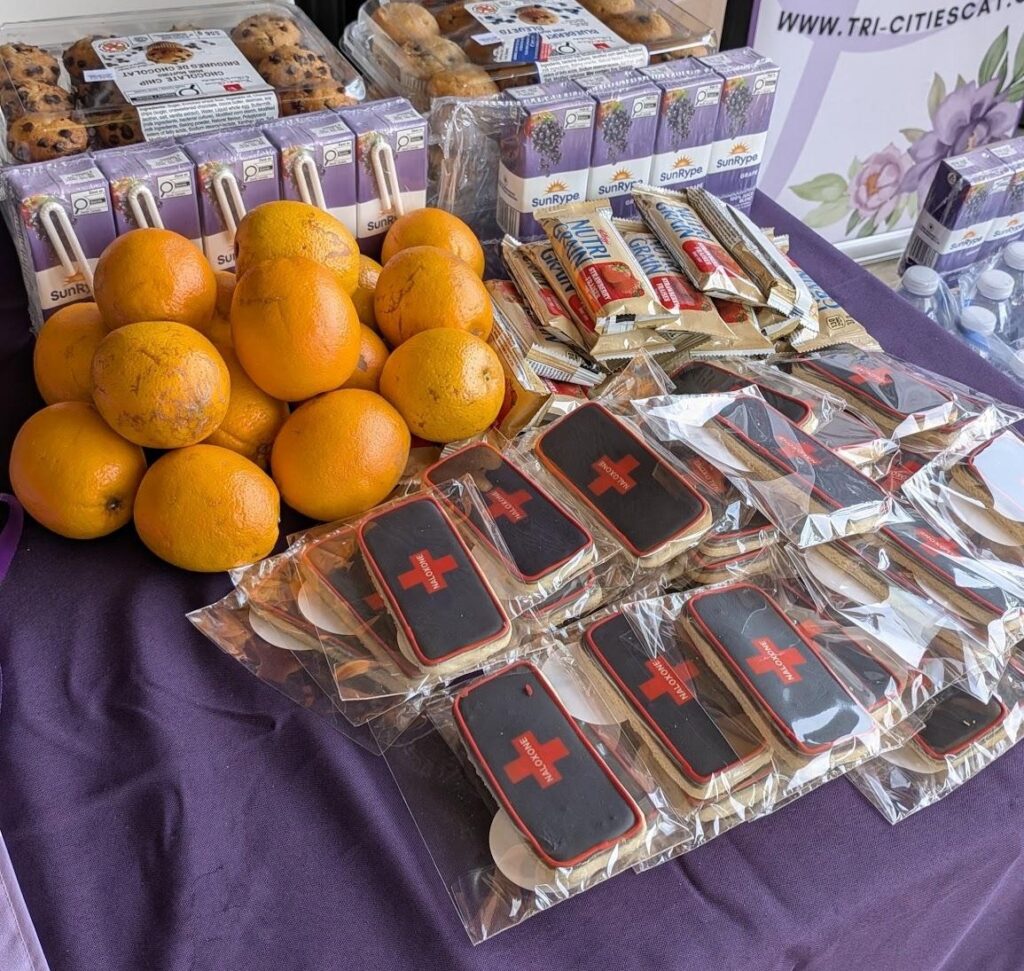
A special thank you to Cassandra Cake Co. for generously providing the custom Naloxone cookies for our gathering! Beyond being a delicious treat, they served as a creative, approachable conversation starter and a vital reminder of the life-saving importance of carrying Naloxone and knowing how to respond to an overdose. Partnering with local businesses who step up to support community health, break down stigma, and give back is what makes the Tri-Cities so special. Support local, carry Naloxone, and look out for one another!
Six Years of Grassroots Growth: It Truly Takes a Community
This year marked our 6th annual IOAD gathering, and we want to extend immense gratitude to the Tri-Cities Community Action Team core team and volunteers. Seeing how this event has grown over the past six years—from small grassroots beginnings to a collaborative, multi-sector gathering—is a testament to the dedication, resilience, and heart of our team.
We also want to thank the local leaders and public officials who consistently show up, listen, and stand in solidarity with our community:
- MLA Jennifer Blatherwick
- Coquitlam City Councillors Steve Kim, Matt Djonlic, Teri Towner, and Craig Hodge
- SD43 School Board Trustee Rosey Manhas
- Port Moody City Councillor Amy Lubik
- City of Port Coquitlam for illuminating City Hall purple in solidarity
- Participating municipal candidates and community advocates who joined our conversations
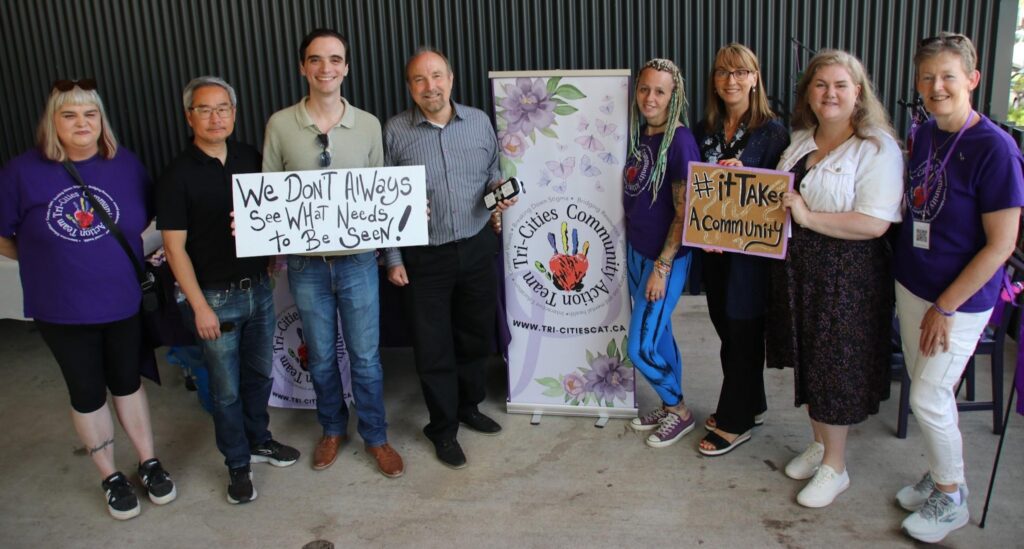
Most of all, thank you to every community member, family, and person with lived and living experience who joined us. Your presence, vulnerability, and courage are the heartbeat of this work.
It truly takes a community—and the Tri-Cities continues to show up.